
Compression Therapy: A Game-Changer for Recovery

Recovery after intense physical activity or injury is crucial for maintaining health and performance. One innovative method gaining popularity is compression therapy. This technique uses controlled pressure to improve circulation, reduce swelling, and speed up healing. Whether you are an athlete, someone recovering from surgery, or simply looking to enhance your wellness routine, understanding compression therapy advantages can transform your recovery process.
Understanding Compression Therapy Advantages
Compression therapy involves applying graduated pressure to limbs or other body parts using specialized garments or devices. This pressure helps promote blood flow and lymphatic drainage, which are essential for healing and reducing inflammation. The therapy can be delivered through compression socks, sleeves, or advanced pneumatic devices that inflate and deflate in cycles.
The advantages of compression therapy extend beyond just physical recovery. It can improve overall comfort, reduce muscle soreness, and even enhance athletic performance by preparing muscles for activity and aiding in post-exercise recovery.

How Compression Therapy Works
The principle behind compression therapy is simple yet effective. By applying external pressure, the therapy:
Enhances venous return: Helps blood flow back to the heart more efficiently.
Reduces swelling: Limits fluid buildup in tissues.
Improves oxygen delivery: Facilitates better nutrient and oxygen supply to muscles.
Speeds up waste removal: Assists in flushing out metabolic byproducts like lactic acid.
These effects combine to reduce recovery time and improve comfort during healing.
What are the benefits of compression therapy?
Compression therapy offers a wide range of benefits that make it a valuable tool for recovery and wellness. Some of the key benefits include:
Reduced Muscle Soreness and Fatigue
After intense workouts or physical labor, muscles often feel sore and tired. Compression therapy helps alleviate this by improving circulation and reducing inflammation, allowing muscles to recover faster.
Enhanced Injury Recovery
For injuries such as sprains, strains, or post-surgical swelling, compression therapy can reduce edema and promote faster healing by improving lymphatic drainage.
Prevention of Deep Vein Thrombosis (DVT)
People who are immobile for long periods, such as during travel or hospitalization, can benefit from compression therapy to prevent blood clots.
Improved Athletic Performance
Athletes use compression garments to support muscles during activity, reduce vibration, and improve proprioception, which can enhance performance and reduce injury risk.
Better Circulation for Chronic Conditions
Individuals with chronic venous insufficiency or varicose veins find relief through compression therapy, which helps manage symptoms and improve leg health.
For those interested in exploring these advantages further, learning about compression therapy benefits can provide deeper insights and practical guidance.
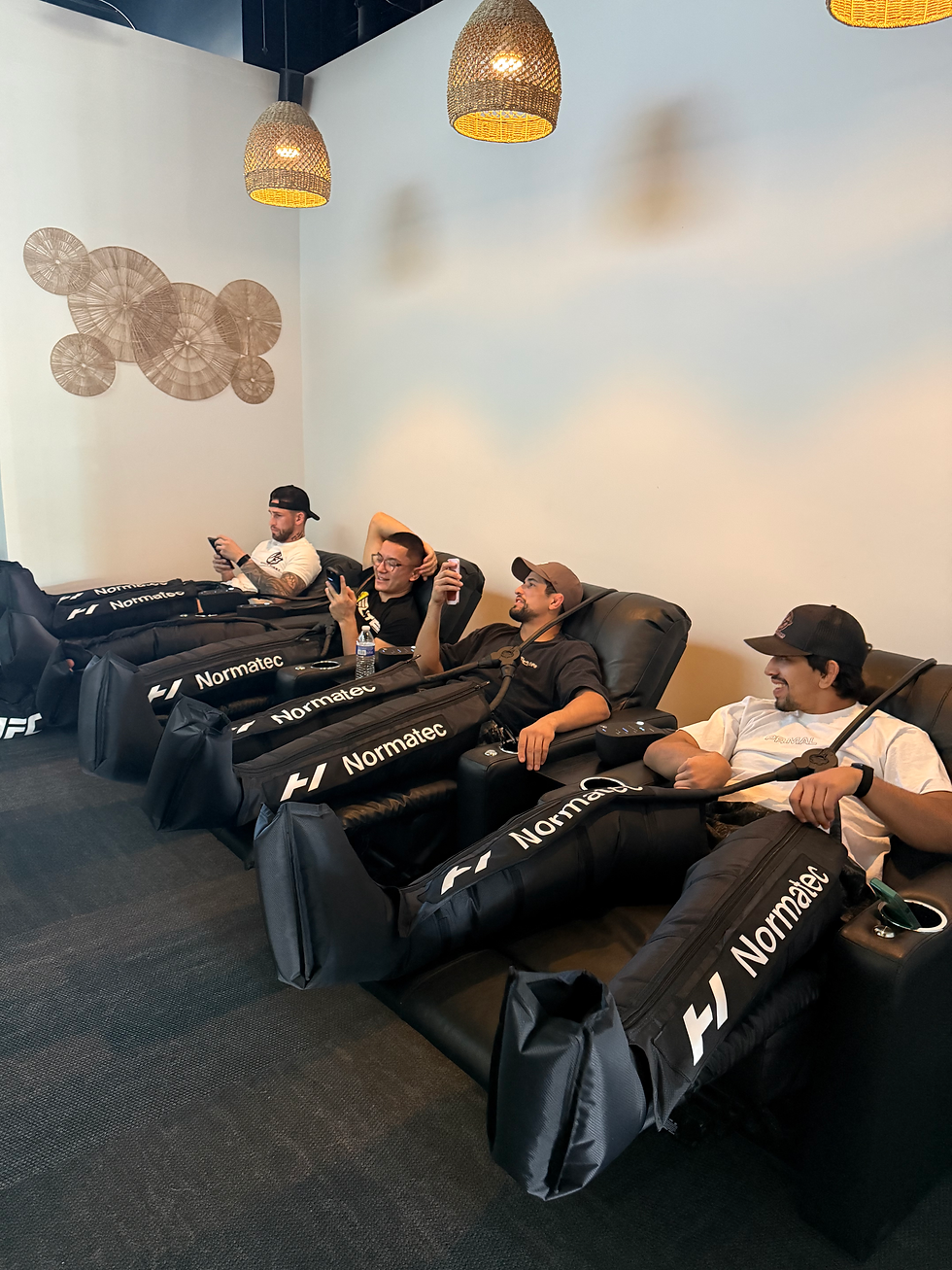
Tips for Getting the Most Out of Your Normatec Compression System
Normatec compression therapy can be a game-changer for recovery, circulation, and overall wellness—but like any tool, it’s most effective when used correctly. Here are some tips to help you maximize your sessions:
Start with the Right Pressure Level
If you’re new to Compression Therapy, begin at a lower compression setting. This allows your body to adapt and ensures a comfortable experience. Over time, you can gradually increase intensity for deeper muscle stimulation and improved lymphatic drainage.
Find the Ideal Session Length
Most people benefit from 20–30 minute sessions, but athletes or those recovering from intense workouts might opt for up to 45 minutes. Listen to your body—longer isn’t always better, especially when you’re just starting out.
Use It After Workouts or Long Days
For recovery purposes, a post-workout Normatec session can help reduce muscle soreness and stiffness. It’s also great for boosting circulation after a long day on your feet or extended periods of sitting.
Stay Hydrated
Compression therapy promotes lymphatic movement and circulation, which can increase your body’s need for fluids. Drink plenty of water before and after your session to support optimal circulation and recovery.
Target Consistency, Not Just Intensity
For best results, use Normatec regularly. Whether that’s a few times a week or even daily, consistent use will yield better outcomes than occasional, high-intensity sessions.
Pair with Other Recovery Tools at Rejuvenate Mind Body
At Rejuvenate Mind Body, we believe in a holistic, multi-modal approach to recovery. Pair your Normatec compression sessions with these complementary therapies to elevate your rejuvenation experience:
Infrared Sauna — Harness deep-penetrating warmth to detoxify, soothe sore muscles, and promote stress relief. Â
Red Light Therapy — Stimulate cellular repair and reduce inflammation, enhancing your body’s natural recovery processes.
Cold Plunge — Accelerate recovery and reduce inflammation through invigorating cold immersion.
Warm Water Hydrotherapy — Immerse yourself in soothing aquatic therapy to relieve pain, reduce stress, and boost circulation.
Each of these options supports the Normatec experience by targeting different aspects of physical recovery—whether it's via heat, cold, cellular repair, or gentle aquatic pressure.
Build Your Ultimate Recovery Flow
Here’s a simple way to structure a recovery session using multiple therapies:
Infrared Sauna — Begin with 10–15 minutes to warm up and loosen tight muscles.
Normatec Compression — Follow with a 20–30 minute compression session to enhance circulation and flush out metabolic byproducts.
Cold Plunge or Warm Water Hydrotherapy — Choose depending on your body’s response; cold for invigoration and inflammation retention, or warm for deep relaxation and stress release.
Red Light Therapy — Finish with 10–15 minutes to support cellular repair and calm the system.
Listen to Your Body
Everyone’s recovery needs differ—if you’re feeling particularly tight or sore, spend a few extra minutes in hydrotherapy; if you’re fatigued or immune-compromised, dial back intensity and end with gentle red light therapy. The goal is personalized rejuvenation, not one-size-fits-all.
Who Can Benefit Most from Compression Therapy?
Compression therapy is versatile and can benefit a wide range of individuals:
Athletes and Fitness Enthusiasts
To speed up recovery, reduce soreness, and enhance performance.
Post-Surgical Patients
To reduce swelling and promote healing after procedures.
People with Circulatory Issues
Such as varicose veins, chronic venous insufficiency, or lymphedema.
Travelers and Office Workers
To prevent swelling and blood clots during long periods of immobility.
Older Adults
To improve circulation and reduce discomfort in the legs.
Embracing Compression Therapy for a Healthier Recovery
Incorporating compression therapy into your recovery routine can be a game-changer. Its scientifically backed advantages make it a reliable and accessible option for enhancing healing and comfort. Whether recovering from an injury, managing a chronic condition, or simply aiming to improve your physical wellness, compression therapy offers practical benefits that can fit seamlessly into your lifestyle.
Explore the possibilities and consider adding compression therapy to your recovery toolkit. With the right approach, you can experience faster healing, reduced discomfort, and improved overall well-being.


Comments